Share With

shareImage

Kijeka Engineers PVT LTD.

Link To share


Latest News

How To Move Drums With A Hydraulic Drum Truck

Kijeka Hydraulic Drum Truck is Drum Handling Equipments are a core essential when handling heavy drums whether steel or plastic. There's a huge number of them that make up the range we offer, but this blog will walk you through the basics of the operation and why our truck is the best 'essential' solution.

Drum Handling Equipment is constituted according to the standard quality and provides work as per the customers specifications. Known for industrial features like durability, performance, and long life service.

This type of material handling equipment Manufacturer can be great designed as per the client’s choice and work needs or simply off-the-shelf. If a business requirement is the moving, warehousing, and pouring of drums, the right equipment can make a huge difference in the company's success. Using the correct drum handling equipment will also enhance workflow and worker safety.                        

Selecting drum handling equipment for a workplace is not a one-size-fit-all solution, rather we have to remember that every business is different, and there are different types of drum handling equipment for a variety of requirements: The portable drum jacks are compact and ergonomic.

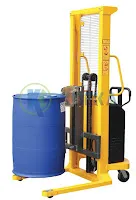
The grapple system carries the drum into the steel saddle securely before elevating it. The drum is held in an upward position during movement, which permits for the transport of open drums without worrying about spillage. Drum rotator/lifter/transporter is a three-in-one device. This model originates with a hand pump that can raise drums from ground level to a height of 300 mm. Rotating drum can manage loads up to 350 kgs.

The rotating drum trolley highlights two retractable handles for smooth one-person operation. A combination drum and hand trucks provide a dual purpose. The curved frame contains 5-gallon pails and kegs and can handle loads up to 800 pounds. If your business requires you to continually move drums and other equipment by hand, this machine will save a lot of time and power.

Why the Kijeka Hydraulic Drum Truck is the perfect for Drum Handling:

The Kijeka Hydraulic Drum Truck is perfect for lifting and moving steel drum cylinders up to 250kg in weight, and with its lightweight design of only 40kg, it is sure to make the transportation of drums easy. Each trolley facilitates a single operator to pick up a barrel that is either full or empty with minimal effort, no strain, and completely safe.

The clamp mechanism is straightforward to position and grabs the drum by its top rim, and this means that the operator does not require to manoeuvre or even touch the drum by hand- ideal in a current society where touching of surfaces can be sensitive and in environments where sanitation is essential.

A touch-sensitive release valve lowers the drum carefully back to the ground. This trolley comes completely assembled, features a top rim grabbing mechanism while the lifting functionality is presented by a hydraulic pump system comparable to that of a pallet truck.

The Benefits of Using the Kijeka Hydraulic Drum Truck:

A safer workplace: We know that full drums are heavy and are often packed with hazardous liquids. Transferring them can be difficult for a worker or multiple workers to shift manually, and attempting to do so can lead to damages, accidents, and spills.

Utilising the Kijeka Hydraulic Drum Truck process becomes more comfortable, safeguarding employees, and creating a safe workspace. Enhanced productivity: When workers can handle drums effortlessly, more work is accomplished at a faster rate.

/

Kijeka Engineers

28-03-24

2891

Premium Material Handling & Industrial Equipment Solutions

As a global leader in B2B material handling solutions, Kijeka Engineers Private Limited manufactures high-performance industrial equipment designed to optimize warehouse productivity, workplace safety, and operational efficiency. Our extensive product line serves multiple industries worldwide, from chemical plants and pharmaceutical cleanrooms to manufacturing lines and large-scale distribution hubs.

1. High-Reach Aerial Work Platforms & Aluminium Mast Climbers

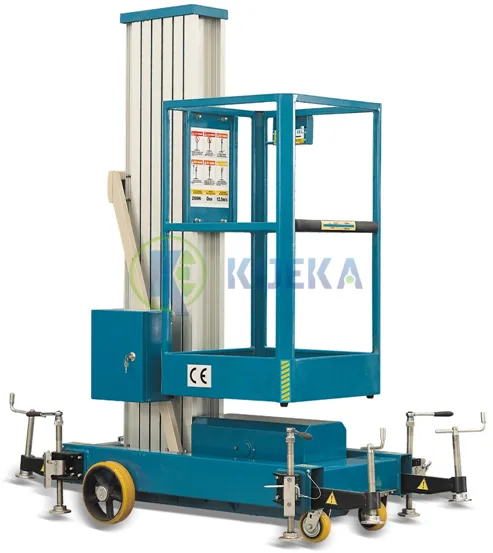
For vertical transport and overhead maintenance, Kijeka offers cutting-edge Aerial Work Platforms and Aluminium Mast Climbers. Engineered for stability and ease of deployment, these aerial work platforms provide a safe alternative to traditional scaffolding. Constructed from high-tensile aluminium, our single-mast and dual-mast climb platforms are lightweight yet robust, offering smooth hydraulic lifting controls. They are perfect for facility management, industrial installations, painting, and construction projects, guaranteeing safety compliance and absolute stability at high elevations.

2. Advanced Drum Handling Equipment & Drum Trucks

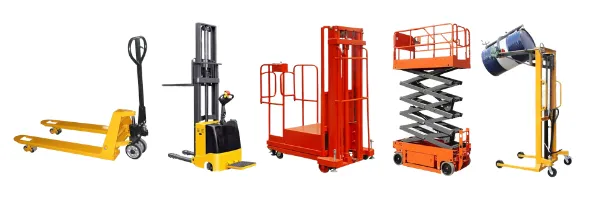
Safe handling of industrial drums is critical in chemical, petroleum, and manufacturing sectors. Kijeka's specialized drum handling equipment, including Drum Trucks, Drum Lifters, and Drum Tilters, makes the movement and decanting of heavy barrels smooth and accident-free. Designed to prevent spills and physical strain, our drum handling machines offer precise rotation, lifting, and transport capabilities. Whether handling steel, plastic, or fiber drums, these trucks provide maximum control, ensuring seamless logistics inside hazardous and non-hazardous work environments alike.

3. Hydraulic Scissor Lift Platforms & Goods Lifts

For seamless vertical transitions between different levels of a warehouse or assembly line, our Hydraulic Scissor Lift Platforms and heavy-duty Goods Lifts offer unmatched reliability. Featuring robust steel structures, safety railings, and precision-engineered hydraulic cylinders, these lift platforms handle heavy payloads with ease. Kijeka designs custom scissor lifts to meet specific height and load capacities, helping companies streamline heavy material movement, truck loading, and high-density material warehousing.

4. Heavy-Duty Stackers, Pallet Trucks & Hand Trucks

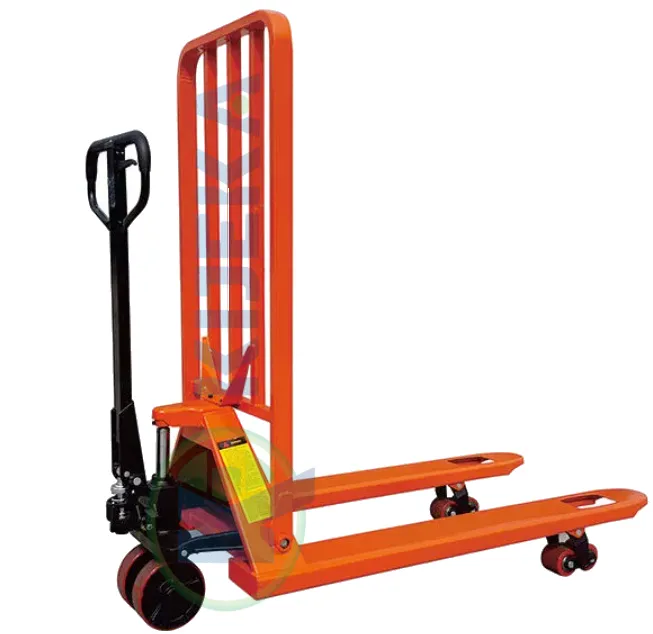
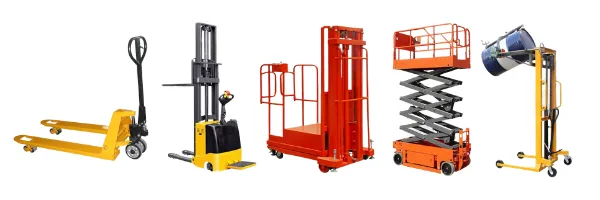
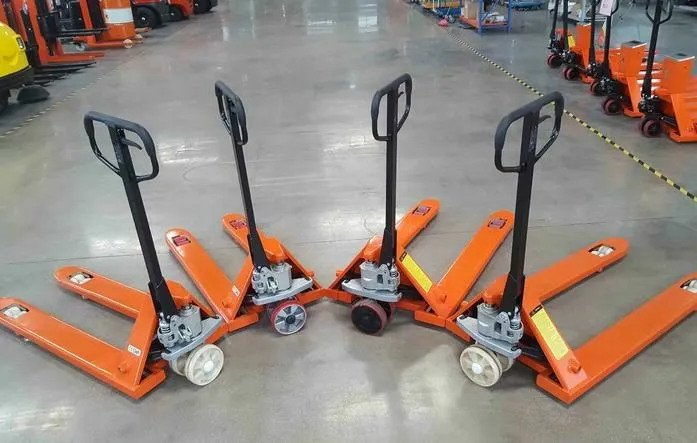
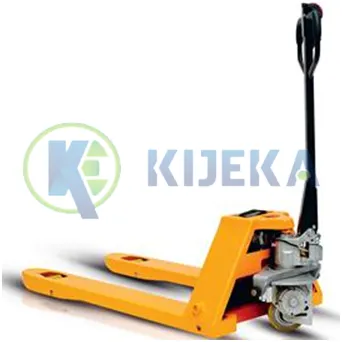
Horizontal transportation of palletized loads is the backbone of any warehouse. Kijeka's range of Pallet Trucks (including manual hydraulic, semi-electric, and fully automated variants) offers smooth movement across floor surfaces. For stacking and high-rack loading, our manual and electric Stackers offer precise lift heights, turning radii, and battery efficiency. Combined with our industrial Hand Trucks and custom platform trolleys, we cover all entry-level and heavy-duty logistics requirements, enhancing operator comfort and speed.

5. Custom Engineering: Industrial Stirrers, Metal Pallets & Springs

Beyond standard lifting equipment, Kijeka provides tailored industrial products like Industrial Stirrers for mixing chemical compounds, heavy-duty Metal Pallets for long-term storage, and high-strength Industrial Springs. Every product is rigorously tested to meet global quality standards, ensuring long-term durability under demanding operating conditions. Our commitment to design excellence and visual refinement shines through in our modern industrial styling, durable coatings, and user-centric designs.

/

Thank You

/

Recent

How To Move Drums With A Hydraulic Drum Truck

How To Move Drums With A Hydraulic Drum Truck

Kijeka Hydraulic Drum Truck is Drum Handling Equipments are a core essential when handling heavy drums whether steel or plastic. There's a huge number of them that make up the range we offer, but this blog will walk you through the basics of the operation and why our truck is the best 'essential' solution.

Drum Handling Equipment is constituted according to the standard quality and provides work as per the customers specifications. Known for industrial features like durability, performance, and long life service.

This type of material handling equipment Manufacturer can be great designed as per the client’s choice and work needs or simply off-the-shelf. If a business requirement is the moving, warehousing, and pouring of drums, the right equipment can make a huge difference in the company's success. Using the correct drum handling equipment will also enhance workflow and worker safety.                        

Selecting drum handling equipment for a workplace is not a one-size-fit-all solution, rather we have to remember that every business is different, and there are different types of drum handling equipment for a variety of requirements: The portable drum jacks are compact and ergonomic.

The grapple system carries the drum into the steel saddle securely before elevating it. The drum is held in an upward position during movement, which permits for the transport of open drums without worrying about spillage. Drum rotator/lifter/transporter is a three-in-one device. This model originates with a hand pump that can raise drums from ground level to a height of 300 mm. Rotating drum can manage loads up to 350 kgs.

The rotating drum trolley highlights two retractable handles for smooth one-person operation. A combination drum and hand trucks provide a dual purpose. The curved frame contains 5-gallon pails and kegs and can handle loads up to 800 pounds. If your business requires you to continually move drums and other equipment by hand, this machine will save a lot of time and power.

Why the Kijeka Hydraulic Drum Truck is the perfect for Drum Handling:

The Kijeka Hydraulic Drum Truck is perfect for lifting and moving steel drum cylinders up to 250kg in weight, and with its lightweight design of only 40kg, it is sure to make the transportation of drums easy. Each trolley facilitates a single operator to pick up a barrel that is either full or empty with minimal effort, no strain, and completely safe.

The clamp mechanism is straightforward to position and grabs the drum by its top rim, and this means that the operator does not require to manoeuvre or even touch the drum by hand- ideal in a current society where touching of surfaces can be sensitive and in environments where sanitation is essential.

A touch-sensitive release valve lowers the drum carefully back to the ground. This trolley comes completely assembled, features a top rim grabbing mechanism while the lifting functionality is presented by a hydraulic pump system comparable to that of a pallet truck.

The Benefits of Using the Kijeka Hydraulic Drum Truck:

A safer workplace: We know that full drums are heavy and are often packed with hazardous liquids. Transferring them can be difficult for a worker or multiple workers to shift manually, and attempting to do so can lead to damages, accidents, and spills.

Utilising the Kijeka Hydraulic Drum Truck process becomes more comfortable, safeguarding employees, and creating a safe workspace. Enhanced productivity: When workers can handle drums effortlessly, more work is accomplished at a faster rate.

Author

Kijeka Engineers

28-03-24

2891
How to Choose the Right Pallet Truck for Your Factory in Ahmedabad

How to Choose the Right Pallet Truck for Your Factory in Ahmedabad

Choosing the right pallet truck is critical for efficient material handling in any warehouse or manufacturing unit. Businesses in Ahmedabad often face challenges in selecting between different types of pallet trucks. Key factors to consider: • Load capacity: Choose between 2-ton, 5-ton depending on usage • Wheel type: PU wheels for smooth - epoxy floors, nylon for rough surfaces • Manual vs electric: Manual is cost-effective, electric saves time • Fork size: Based on pallet dimensions; Available Length: 800 mm, 1150 mm, 1220 mm, 1500 mm, 1800mm, 2000 mm, 2500 mm For industries in Ahmedabad, selecting a reliable manufacturer ensures durability and performance. 👉 At Kijeka Engineers, we provide high-quality pallet trucks designed for Indian industrial conditions. CTA: Contact us today for best price.
Author

Kijeka

19-03-26

3
10 Warehouse Safety Tips When Using Lifting Equipment

10 Warehouse Safety Tips When Using Lifting Equipment

Lifting equipment in warehouses, such as Pallet Trucks and Stackers help businesses move goods quickly and safely. However, proper safety practices are very important to prevent accidents and injuries in warehouses.


10 Warehouse Safety Tips

  • Train all workers properly before they use lifting equipment.
  • Check brakes, wheels and hydraulic systems before daily operations.
  • Never overload pallet trucks, stackers or lifting equipment.
  • Keep warehouse floors clean and free from obstacles.
  • Always wear safety equipment like helmets, gloves and safety shoes.
  • Make sure loads are balanced correctly before moving them.
  • Avoid driving lifting equipment too fast inside the warehouse.
  • Stay away from suspended or hanging loads to prevent injuries.
  • Perform regular maintenance and safety inspections on equipment.
  • Ensure all employees follow warehouse safety rules every day.

Following these warehouse safety practices helps businesses improve productivity, reduce accidents and create a safer working environment for employees.


Author

Kijeka

27-05-26

3
6 Things You Didn't Know About Air Operated Diaphragm Pumps

6 Things You Didn't Know About Air Operated Diaphragm Pumps

Working Principle Of Air Operated Diaphragm Pumps

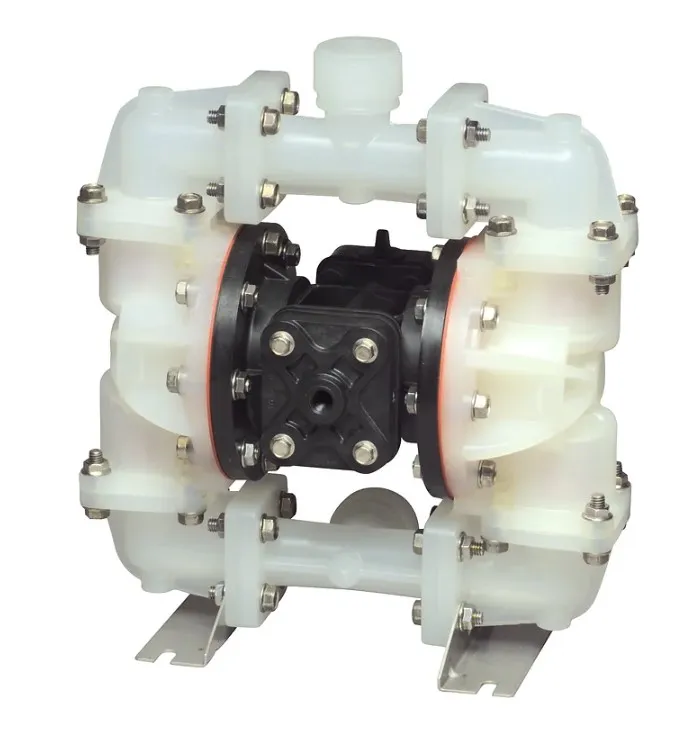
Kijeka  Air Operated Double Diaphragm Pumps are known as influencing positive removing pumps and there are 2 diaphragms, 1 on the right half of the siphon, 1 on the left side, and 4 balls and ball spaces, 2 on the lower and upper corners. Diaphragms are related with each other by techniques for a shaft.

Air Double Diaphragm Pumps With the air given from the middle part moving the post in the middle area, one of the diaphragms is pushed towards the fluid chamber, while the fluid in this part is moved, the other diaphragm is pulled towards the middle square and the attractions advancement is given, in like manner filling. With the improvement of the post to the contrary side, the diaphragm moved into the middle square is crashed into the fluid chamber this time and it gives the trade by applying strain to the fluid filling the fluid chamber in this part.


Usage Of Air Operated Diaphragm Pumps


Air operated double diaphragm pumps ahmedabad can be utilized effectively in numerous cycles, for example, move of your items, filling works, flow cycles and testing. Double Diaphragm Air Pumps are known as AODDP pumps since they have no mechanical parts (shaft, fan, bearing, seal and so forth) and work with air . They can be utilized effectively and securely.


Where Air Operated Diaphragm Pumps Are Used?


In the chemical industry glue used, resins, paints, varnishes, inks, acids, alkalis, solvents, transfer and storage of products such as alcohol, in the food industry ; transfer of hygiene products such as milk, buttermilk, cream, mayonnaise, ketchup, Sludge transfer in treatment facilities and mining sector, 


In the ceramic sector ; glaze spraying, ceramic slurry transfer, ship sector; bilge and sludge discharge, textile industry; transfer and storage of many widely used textile chemicals, Cosmetics and pharmaceutical industry; Cleaning processes used to fulfill hygiene standards are among the main process


Properties of Pneumatic Diaphragm Pumps


M SERIES (METAL) pumps; It is produced as Aluminium, Cast Iron, 316L Stainless steel body. P SERIES (PLASTIC) pumps; As polypropylene and PTFE (Teflon) body, L SERIES pumps; Electropolished 316L Stainless Steel Body (FDA certified), DP SERIES (POWDER PUMP) pumps; DB SERIES (HIGH PRESSURE SERIES) pumps in Aluminium, Cast Iron, 316L Stainless steel body ; DF SERIES (BARREL SERIES) pumps with only 316L Stainless Steel body ; It is produced in Aluminium and 316L Stainless Steel.


aodd pump manufacturers are also classified in terms of the elastomers they contain.


Transfer of NBR (Buna-N) oils and fuels, transfer of EPDM solvent, alcohol, acidic products, transfer of EPDM GRAY food products, PTFE (TEFLON) transfer of products requiring high chemical resistance, FKM (VITON) hydrocarbons and acids, NRS ( NEOPREN) ) It is used in the transfer of particulate fluids, caustic acid transfer), SANTOPREN is used in the transfer of fluids that require high chemical resistance, it also has an elastic structure, E⁴ PTFE (PATENTED) is used in the transfer of all chemical products and this diaphragm has ATEX, FDA, CE conformity.


Capacity And Other Operating Values Oof Air Diaphragm Pumps


Maximum capacity value of Kijeka  AODD Pumps is 46 m³ / h . The maximum output pressure is 7 bar, but this value can reach up to 21 bar in the high pressure series . It is capable of suction from 9 meters . The maximum operating temperature of +130 ° C 'is. Maximum particle permeability is 25 mm for Aluminium series and 10 mm for other series . Minimum required air pressure: 1.2 bar.


Advantages Of Air Diaphragm Pumps


It contains significantly less additional parts appeared differently in relation to its partners, with this component, it gives basic speculation assets in help costs of customers and decreases upkeep times at a comparable rate. Since the air valve is inside the siphon and its arrangement, it hinders air spills on a very basic level and appreciation to this segment, it eats up altogether less air stood out from its partners. The regions where the diaphragms are found are more broad than their reciprocals, which allows more stream rate to be refined.
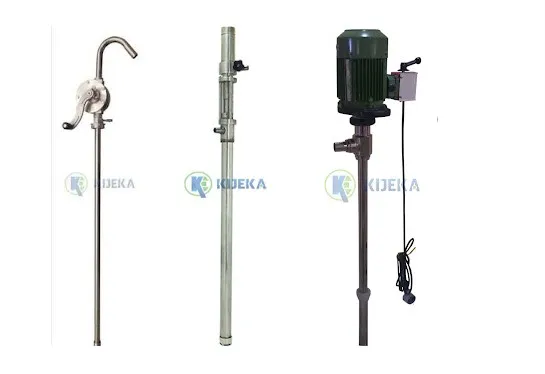
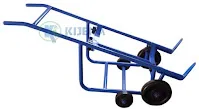
Author

Kijeka Engineers

28-03-24

4932
Aerial Work Platform You Can Make Full Use Of It

Aerial Work Platform You Can Make Full Use Of It

Why Should you get an Aerial Work Platform? Kijeka Aerial Work Platforms have substituted scaffolding and ladders and are utilized in a wide range of building and industrial configurations. Having trained operators in your business is its, law and an idea.

An operator should be retrained if a different sort of Aerial Work Platform is utilized or if an accident happens during Aerial Work Platform usage if office hazards involving an AWP are detected. Employers are needed to retrain employees who they find operating an AWP.

At appropriation focuses, laborers need access to hardware intermittently, which implies that may be the best choice for you. Instead of possessing your own hardware which you should look after yourself, you can get a from Kijeka Aerial Work Platform.

That way, in the event that you have an issue, we are accessible every minute of every day to help you with on-location upkeep and fixes, or to supplant broken hardware after all other options have been exhausted. This gives you more power over your work processes and procedures.

If you work in logistics, you understand the importance of keeping your distribution center running smoothly at all times. This means being able to continue working no matter what and making sure that there are zero accidents on site.

Author

Kijeka Engineers

28-03-24

2295
Safe Pallet Handling Procedures

Safe Pallet Handling Procedures

Pallets play a critical role in warehouse operations, logistics and material handling systems. However, improper pallet handling can result in product damage, workplace injuries, equipment failures and operational delays.


At Kijeka Engineers Pvt Ltd, we emphasize the importance of safe pallet handling procedures to improve workplace safety, operational efficiency and inventory protection.


This guide outlines essential pallet handling best practices for industrial and warehouse environments.


Why Safe Pallet Handling Matters

Unsafe pallet handling may lead to:

  • Worker injuries
  • Falling loads
  • Forklift accidents
  • Damaged inventory
  • Rack collapses
  • Operational downtime

Implementing standardized pallet safety procedures significantly reduces these risks while improving warehouse productivity.


1. Inspect Pallets Before Use

Every pallet should be inspected before loading or transportation.

Inspection Checklist:

  • Check for cracked or broken boards
  • Inspect exposed nails or sharp edges
  • Verify pallet stability and structural strength
  • Ensure pallets are dry and free from contamination
  • Remove damaged pallets from service immediately

Using damaged pallets increases the risk of load collapse and worker injuries.


2. Load Pallets Properly

Incorrect loading practices create unstable loads that may shift during movement.

Best Practices:

  • Distribute weight evenly across the pallet
  • Place heavier items at the bottom
  • Avoid overhanging materials
  • Secure loads using stretch wrap or strapping
  • Do not exceed pallet load capacity

Uneven loads can cause tipping, falling materials and forklift instability.


3. Follow Safe Manual Handling Techniques

Manual pallet handling should follow ergonomic safety principles.

  • Lift using leg muscles instead of the back
  • Avoid twisting while carrying loads
  • Use team lifting for heavy materials
  • Maintain a clear line of sight while moving items
  • Use mechanical assistance whenever possible

Employees should never attempt to manually move overloaded pallets.


4. Operate Forklifts Safely Around Pallets

Forklifts are essential for pallet movement, but improper operation creates major workplace hazards.

Forklift Safety Guidelines:

  • Ensure forks are fully inserted beneath pallets
  • Lift loads slowly and steadily
  • Keep loads low while traveling
  • Avoid sudden turns or braking
  • Never move damaged pallets with forklifts
  • Maintain safe operating speeds

Forklift operators should conduct pre-shift equipment inspections daily.


5. Stack Pallets Safely

Improper stacking can lead to collapsing loads and severe injuries.

  • Stack pallets evenly and securely
  • Follow warehouse height limitations
  • Keep aisles and exits clear
  • Store empty pallets in designated zones
  • Avoid leaning pallets against walls or equipment

Overstacked pallets may collapse unexpectedly and obstruct emergency pathways.


6. Maintain Clean and Safe Warehouse Floors

Warehouse floor conditions directly affect pallet handling safety.

  • Remove spills immediately
  • Keep aisles free from debris
  • Repair damaged flooring
  • Ensure adequate lighting
  • Mark pedestrian and forklift zones clearly

Slippery or uneven floors increase the risk of pallet movement accidents.


7. Use Proper Personal Protective Equipment (PPE)

Workers involved in pallet handling operations should use appropriate PPE.

  • Safety shoes with steel toes
  • Industrial gloves
  • High-visibility vests
  • Safety helmets
  • Back support equipment where required

PPE reduces injury severity during accidental impacts or falling object incidents.


8. Conduct Regular Safety Training

Consistent employee training strengthens workplace safety culture.

Training Topics:

  • Safe lifting techniques
  • Forklift operation procedures
  • Hazard identification
  • Emergency response protocols
  • Pallet inspection methods

Well-trained employees are more likely to identify unsafe conditions before accidents occur.


Common Pallet Handling Mistakes to Avoid

  • Using damaged pallets – Load collapse
  • Overloading pallets – Structural failure
  • Improper forklift lifting – Tipping accidents
  • Blocking aisles with pallets – Emergency hazards
  • Uneven load distribution – Material spills
  • Ignoring pallet inspections – Workplace injuries

Final Thoughts

Safe pallet handling is a fundamental part of warehouse safety and operational efficiency. Proper inspection procedures, load management, forklift practices and employee training help reduce accidents while protecting inventory and equipment.


At Kijeka Engineers Pvt Ltd, we support industries with practical engineering solutions and workplace safety practices that improve reliability, productivity and operational performance.


Author

Kijeka

01-06-26

11
How Can You Choose The Best Drum Equipment?

How Can You Choose The Best Drum Equipment?

Kijeka makes a full line of industrial drum handling Equipment’s. Drum handling equipment to are use for lift, Shifting, move, racking, pouring, tilting, weight & pouring applications. Kijeka Makes, Drum dollies, drum palletizers and drum handling forklift attachments.

We also provide custom drum handling equipment. Hoist Mounted drum lifter, 210 liter drum handling equipment drum rotators / drum mixers - mix ingredients inside a closed drum to eliminate spills, transfer time. Save time, labor and money!

Drum Stacker in Ahmedabad - manual or electric, Hydraulic Drum Stacker, lifter tiller to mix your liquid material of your sealed drums. We also have drum pumps, drum wrenches, drum faucets. Kijeka manufactures the most extensive 210 liter drum handling equipment.

Forklift attachments for drum handling grip+ gator power-grip fork mount drum handler forklift-carriers to lift and pour a drum transport and pour a 55-gallon (210 liter) drum with your forklift.

Rotate drum from the truck operators’ seat. Forklift drum lifter, Chain drum lifter Forklift drum Grabber to transport 720 kg. Upright rimmed steel, fibre or plastic drums. Move drums on and off pallets, trucks, etc. With your forklift. Forklift drum movers forklift  attachment to move 454 kg upright drum.

Author

Kijeka Engineers

21-03-23

0
Why Industrial Trolleys Improve Productivity in Manufacturing Units

Why Industrial Trolleys Improve Productivity in Manufacturing Units

Industrial trolleys are really good for warehouses, factories and manufacturing units. They help businesses move things like materials, tools and products quickly and safely. This makes the workflow better and reduces the physical effort required by workers.


Industrial trolleys are very helpful in places where people have to move a lot of things every day. They save time and help workers complete tasks more efficiently while reducing tiredness and improving productivity.


Many workplaces still depend on manual lifting which is slow and can lead to injuries. Industrial trolleys make it easier to transport heavy loads with less effort. This helps employees work more comfortably and reduces workplace accidents.


One of the biggest advantages of industrial trolleys is faster material movement. Workers can move products and materials more efficiently which saves time and allows businesses to complete operations quickly. Industrial trolleys also help reduce damage to products during transportation.


Industrial trolleys are also cost-effective solutions for businesses. They improve operational efficiency without requiring expensive machinery or high maintenance costs. These trolleys are widely used in industries like manufacturing, logistics, automotive, chemical, pharmaceutical and warehousing.


There are different types of industrial trolleys available, including Platform Trolleys , Tractor Trolleys , Drum Handling Trolleys and Heavy Duty Trolleys . Businesses should choose the right trolley based on load capacity, warehouse size and operational requirements.


Author

Kijeka

27-05-26

2
The Quality Of Chemical Pumps Is So Much Important Than Quantity.

The Quality Of Chemical Pumps Is So Much Important Than Quantity.

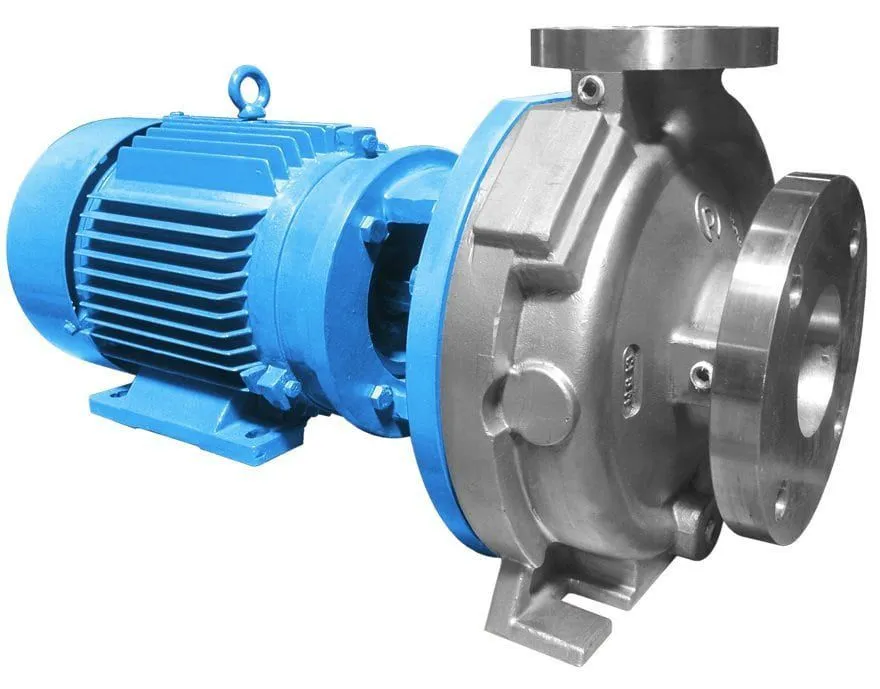
The Chemical Pumps at Kijeka are mostly use in pharmaceutical companies to transfer different types of chemicals from a barrel or other liquid storage. Here Kijeka Engineers provides all types of chemical pumps and also provide accessories of pumps.
  
In Chemical Pumps Kijeka Engineers provide a different type of chemical pumps like Barrel pump, rotary pumps, Stainless Rotary Drum Pump, Nylon Pumps, Plastic lever Pumps, Siphon Pumps, Flameproof Pump, External Rotary Gear Pump, Dosing Metering Pumps etc.; Available with different Power sources like Electirc and Pneumatic.
The capacity and Materials of pumps are different for different chemical uses. Chemical Pumps are available in Electric-Air operated Drum Pump and manual hand operated. The Mostly in chemical or pharma company is use Centrifugal pumps. This is a common pump is used in chemical companies. There are also use rotary pumps including gear pumps, screw pumps and piston pumps.   

The selection of a chemical pump is depending on type of chemical liquid characteristics. Fluid attributes additionally assume a fundamental job for choosing materials of development for pumps. Consumption is a significant thought in the Chemical Industries, and the material utilized in pump development must be perfect with the medium to be pumped. For example, exceptionally destructive fluids like acids require the utilization of tempered steel in pump development. For more details on chemical pumps
Author

Kijeka Engineers

28-03-24

2755
How Can You Choose The Best Drum Equipment?

How Can You Choose The Best Drum Equipment?

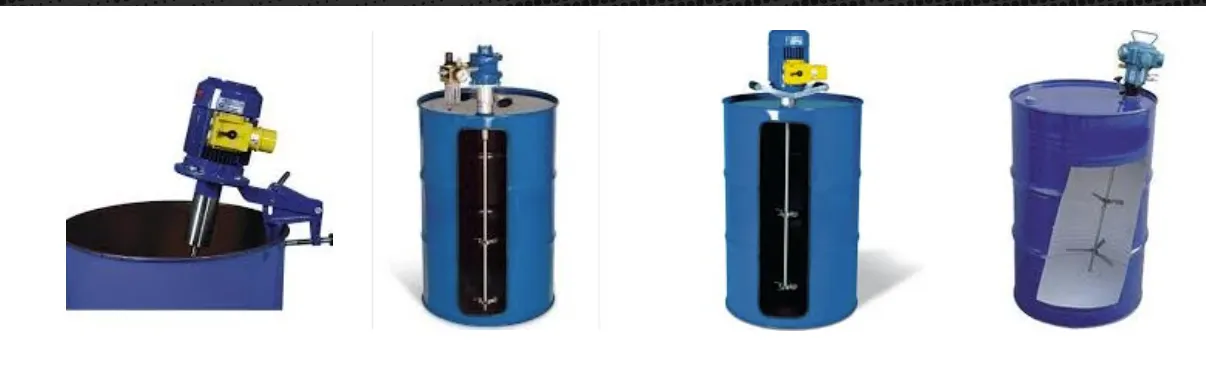
Kijeka Drum Stirrers is come with 15 inch folding blade fits inside a 2 inch side. Kijeka Engineers make it for open and close head drum. The electric drum stirrer can be use to mix chemical colors and many other liquid which you won't to mix.

Kijeka Engineers Drum Mixer is portable and light weight to set it and place.The Drum Stirrer blades insert easily through a 2-inch bung opening. They fold down to a compact shape that effortlessly fits into a closed head opening.

Once they begin to turn the hydrodynamic forces open the blades and they go to work on your liquid mixer. When you done mixing and stop the air or electric drive the blades will relax and fold back down ready to be move from drum.

Author

Kijeka Engineers

28-03-24

6098
High Quality Drum Stirrers In Ahmedabad

High Quality Drum Stirrers In Ahmedabad

Kijeka Drum Stirrers is come with 15 inch folding blade fits inside a 2 inch side. Kijeka Engineers make it for open and close head drum. The electric drum stirrer can be use to mix chemical colors and many other liquid which you won't to mix.

Kijeka Engineers Drum Mixer is portable and light weight to set it and place.The Drum Stirrer blades insert easily through a 2-inch bung opening. They fold down to a compact shape that effortlessly fits into a closed head opening.

Once they begin to turn the hydrodynamic forces open the blades and they go to work on your liquid mixer. When you done mixing and stop the air or electric drive the blades will relax and fold back down ready to be move from drum.

Author

Kijeka Engineers

28-03-24

2203
Advantages of Industrial Dock Ramps

Advantages of Industrial Dock Ramps

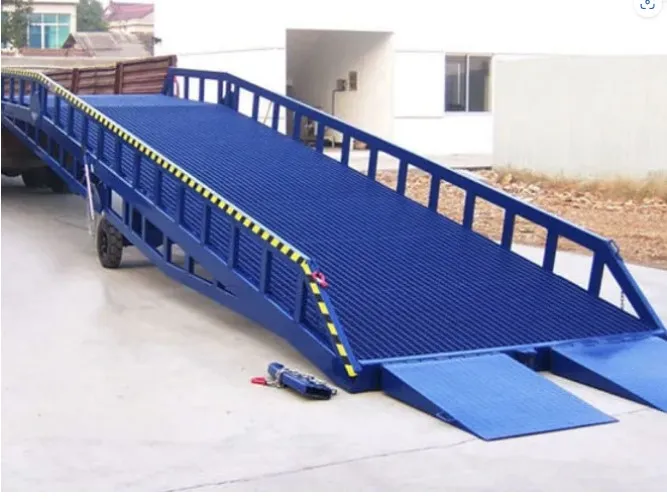
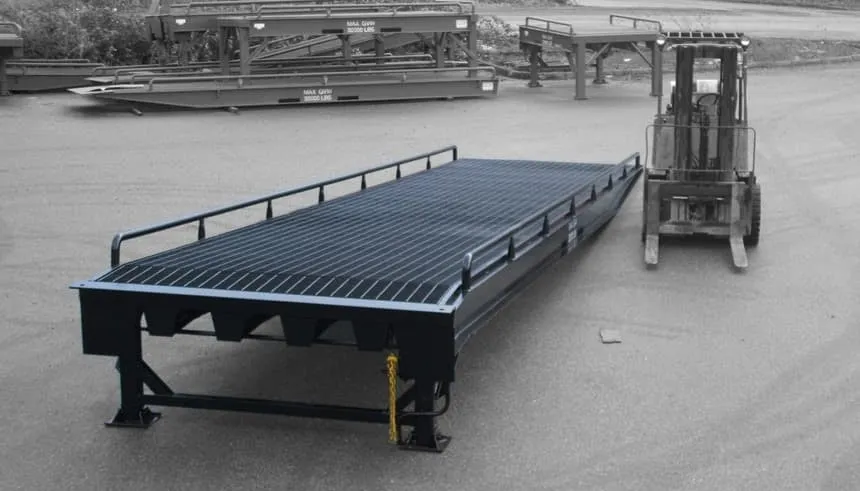
The  industrial Dock Ramps are designed and built to improve efficiency in the places where they are placed, usually in industrial environments. Therefore, having ramps of this type in your industrial business will lead to an improvement in tasks and a considerable saving of time and work. 

These ramps are built to compensate for the difference in height that exists between the loading area of an industrial warehouse and the surface of a truck. In this way, its mission is to facilitate the task of loading and unloading goods seen from a horizontal plane and carried out with a single movement.

Thus, these types of ramps are built to withstand fairly large weights , hence it is necessary that their manufacture is carried out with top quality products so that later employees can enjoy all its advantages without any problem

These Kijeka Dock Ramps must comply with the European standard EN 1398 and have specific dimensions that correspond to their load capacity. The main advantage that we highlight is its capacity in specific environments, shortening deadlines and causing workers not to have to make so many efforts, especially when it comes to loads that are too heavy

In addition, the ramps also allow the work to be optimized in a more general way , since the worker would not have to be so aware of the raising and lowering of the load, being able to perform other tasks at the same time that the ramp is doing its work . Therefore, efficiency is multiplied in every way.

In short, Dock Ramp in Ahmedabad allow industrial buildings to have a better general efficiency and to reduce times, leading to an optimal loading and unloading process


Author

Kijeka Engineers

28-03-24

2410
10 REASONS WHY PEOPLE LIKE CENTRIFUGAL PUMPS.

10 REASONS WHY PEOPLE LIKE CENTRIFUGAL PUMPS.

The working principle of Kijeka

Kijeka Centrifugal Pump has several cutting steps. There are cutter plates at the inlet mouth, and the nut at the inlet is a shredder, among these equipment, the first stage shredding process takes place. The second stage shredding process takes place between the cutter plates at the inlet and the shredder fan design. 

There are shredder sections on the rear surface of the fan. In addition, there is an additional shredder behind the fan. In order to protect the seal, a disassembly process takes place between these two equipment behind the fan. Due to this special design, it is a design that is "absolutely guaranteed not to clog".

Application areas of the Centrifugal pumps

Kijeka Engineers Pvt Ltd With over 40 years of experience, it is a proven world leader in waste water treatment, food, paper, automotive, chemical, petrochemical industries. Centrifugal pump, with its unique design, is used for wastewater / sludge, topsoil, fibrous material, hair, feminine hygiene material, wet wipes, cleaning material, animal waste, vegetable and fruit waste, piece of wood, pieces of cloth, clothes, diapers, nylon. , hard plastic, paint wastes… etc materials are transferred without clogging.

You are using Centrifugal pump there is absolutely no need to use an additional macerator / chipper / breaker on the front of the pump. Kijeka pump shreds and transfers fluids containing up to 10% solid concentration with its hydraulic performance over 70%. Centrifugal pump; It guarantees “non-clogging” in all types of diver, horizontal centrifuge, self-priming, wet vertical shaft, dry vertical shaft, circulation type designs.

The advantages of Kijeka Centrifugal Pumps

There are many brands of shredder pumps in the industry, but the dense sweat is quickly clogged due to fibrous materials. Centrifugal pumps guarantee absolutely non-clogging with their patented unique designs.

Centrifugal pump in ahmedabad is a shredder equipment for every stage from its inlet to the mechanical seal. First, the shredding process takes place between the fan and the inlet, then the shredding process takes place between the fan and the cutter behind the fan. Thanks to this patented special design, there is absolutely no need for an additional macerator / crusher / shredder equipment in front of the pump . The pump alone is an equipment that is guaranteed not to be clogging.

In today's world where energy efficiency gains importance, these pumps work by shredding them in the most efficient way without the need for additional shredder equipment; Unlike other brands, it provides significant energy savings in the areas you use.

With its patented special interior design guaranteed not to clog; When using chemical dosing pump, there are absolutely no process stops. There is no loss of workmanship and time since there will be no malfunctions or stops in these pumps.

Thanks to its special heat treated interior design, there is absolutely no need for spare parts and maintenance in the short term. Thanks to all these advantages, operating costs are significantly reduced and system efficiency is increased. After these pumps are installed in the facility; Its existence is forgotten thanks to its patented special design that works smoothly.

Author

Kijeka Engineers

28-03-24

2252
Manual vs Semi-Electric vs Electric Stackers: Which One Is Best for Your Warehouse?

Manual vs Semi-Electric vs Electric Stackers: Which One Is Best for Your Warehouse?

Choosing the right stacker is really important for every warehouse and industrial business. Stackers make it easier to move goods, lift materials and organize inventory which helps improve productivity and workplace safety.


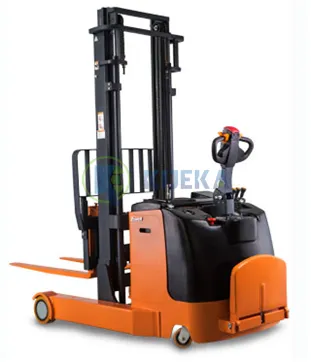
There are three types of stackers that businesses use today: Manual Stackers , Semi-Electric Stackers and Fully Electric Stackers . Each type of Manual Stackers, Semi-Electric Stackers and Fully Electric Stackers is designed to meet the needs and budgets of different warehouses.


Manual Stackers are the best option for small warehouses. They use manual hydraulic systems and require operators to move and lift loads. These stackers are ideal for warehouses, retail shops and businesses with lower daily material handling requirements. They are easy to maintain and cost-effective because they do not require electricity.


Semi-Electric Stackers are a combination of manual movement and electric lifting. They reduce operator effort and improve productivity compared to Manual Stackers. Semi-Electric Stackers are suitable for medium-sized warehouses and businesses that want improved efficiency without investing heavily in fully automated equipment.


Fully Electric Stackers handle both lifting and movement automatically, making operations faster, safer and more efficient. They help reduce worker fatigue and are ideal for warehouses with high-volume material handling operations. Although Fully Electric Stackers require a higher investment, they provide excellent long-term value for businesses with demanding workloads.


Explore all stacker solutions here: Stackers


Author

Kijeka

27-05-26

7
Drum Truck - Drum Handling Equipments at Kijeka Engineers

Drum Truck - Drum Handling Equipments at Kijeka Engineers

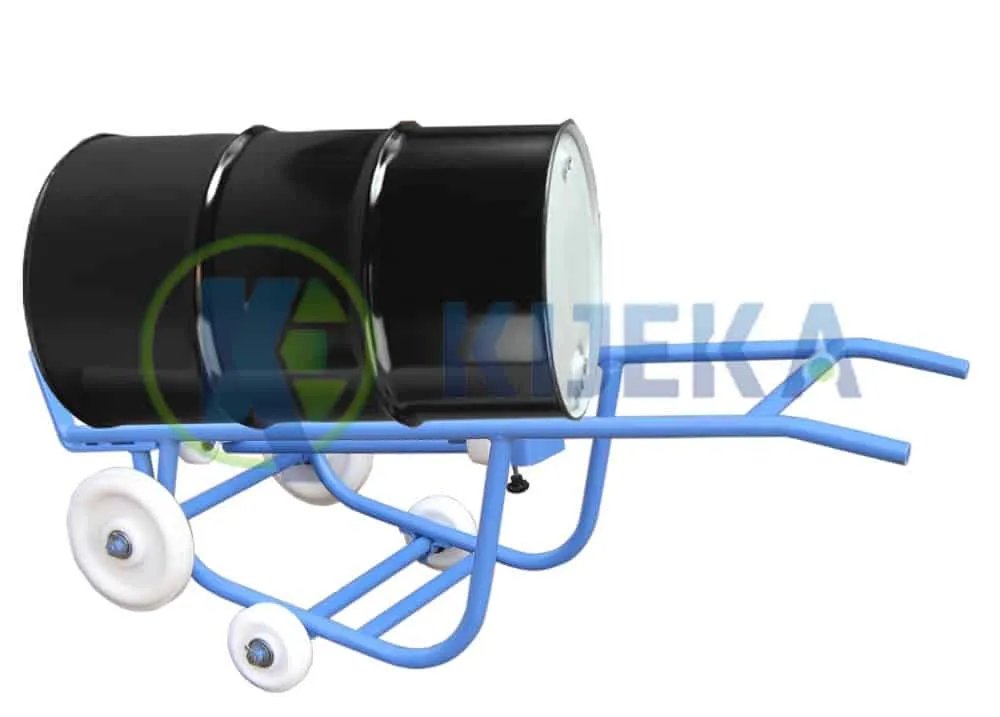
Kijeka Engineers Drum Truck in Ahmedabad is made from high-quality material and provides work as per the requirements of the client. We are manufacturer and supplier of these Drum handling products to a wide range of our customers. The Kijeka Drum Truck is available in different types of models for transporting drums on rough and flat floors : 

Drum Truck- 3 Wheel :-
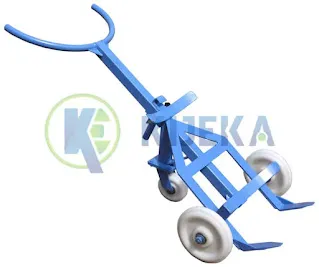
Drum Truck/Drum Trolley- For Easy lifting, Moving, and transporting of all Standard 210 liters HDPE & MS Drums. Lifting, Moving/Transporting of Drums. The capacity of the drum truck 3 wheel is up to 300 kgs.

Drainer 4-Wheel Drum Truck :-
The innovative design of this 4-wheel drum truck to move and dispense a heavy drum with extra safety, ease of use, and versatility. Drainer 4 Wheel Drum Trucks Facilitate the moving and dispensing of liquids from a 55-gallon drum into a 5-gallon container (with help of a Drum Faucet). 
The double-rim saddle elevates the drum to a 14″ drain height for easy horizontal pouring. 04 Nos Rollers on the bed frame rotate the Steel drum without removing it from the truck. The capacity of the drainer 4-wheel drum truck is up to 400 kg. The types of wheels are available in Polyurethane/Rubber.


Drum Truck- 4 Wheel :-
Kijeka Drum Truck/Drum Trolley - For Easy lifting, Moving, and transporting of all Standard 210 liters HDPE & MS Drums Front Pneumatic (Air Filled) Wheels-02 Nos & Rear Hard Polymer wheels-02 Nos Fitted with Double ball Bearing for smooth movement on rough Outdoor Surface. Pneumatic Wheels Manual Push-Pull, Mechanical Locking.

Author

Kijeka Engineers

28-03-24

3266
How to Fix a Dock Ramp to a Trailer

How to Fix a Dock Ramp to a Trailer

With many loading docks, it is important to know how to attach a loading ramp to a trailer to ensure that the transition between the ramp and the vehicle is safe for forklifts to safely unload or load the cargo. Different Kijeka Dock Ramp We have different methods of hooking up trucks and trailers. At Kijeka Engineers we are aware of these methods and integrate them into our ramps if necessary.

Types of Connections for Dock Ramps and Trailers

Depending on the type of ramp you have, the type of traffic it will travel between the ramp and the vehicle, and the vehicles that are unloaded, the method of attaching the loading ramp to a vehicle will differ. There are three main types of transition points that can be integrated into a ramp to connect it to a trailer for safe loading and unloading. These types of connections include:

Transition Plates

Transition plates are among the easiest options to use when loading and unloading goods. Because they are 16 inches long, they offer a kind of ramp for forklifts and pallet trucks to get in and out of a trailer. The transition plates work on a hinge that allows them to be raised and lowered manually.

6” Dock Overlap Strips

Short overlap strips are supplied with most loading ramp india and allow forklifts, pallet trucks and people to enter and exit a truck or trailer without a gap between the vehicle and the ramp. moving around a shipyard a lot and dealing only with falling trucks.

Integrated Dock Leveler

An integrated loading ramp is an excellent tool for transitioning between a loading dock and a trailer. Integrated rubber bumpers help prevent the trailer and ramp from being damaged. Mechanisms within the loading ramp allow for range. wider height adjustment, making it easy to attach a trailer to a ramp.

Author

Kijeka Engineers

28-03-24

2498
Hand Tuck & Trolleys-The Low Technology and High Efficiency

Hand Tuck & Trolleys-The Low Technology and High Efficiency

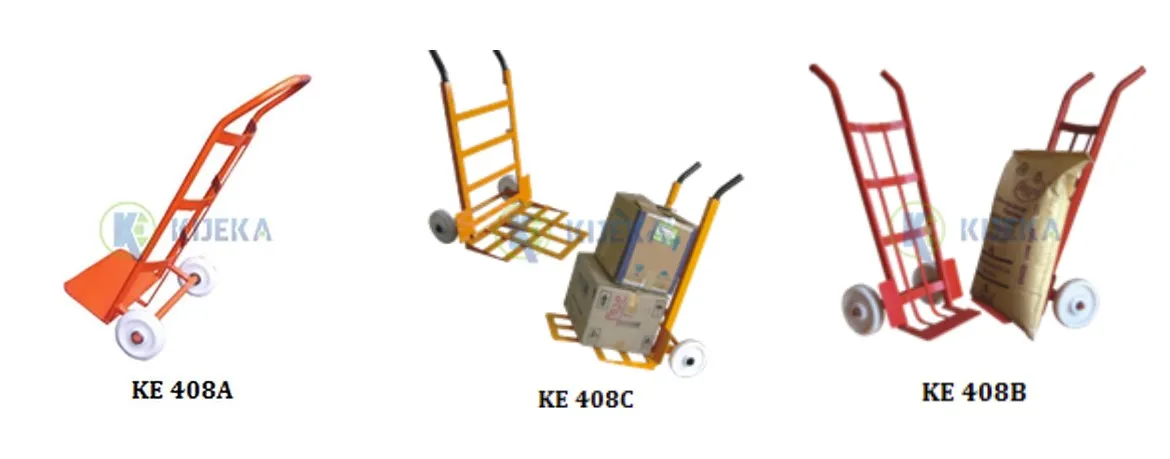
Kijeka Hand Trucks are pretty basic - two wheels, a flat floor plate, and two handles - but these versatile tools have been an important part of efficient operations in docks, warehouses, and other material handling locations for centuries.

The beauty of hand trucks lies in their simplicity: they exploit the concept of the center of gravity to allow workers to quickly and easily lift and move loads weighing hundreds of pounds. Handcarts are easy to maneuver, so workers can turn sharp turns in tight spaces and navigate precisely through narrow aisles.

Hand Truck Basics

Almost anyone can be trained in the correct use of hand trucks in ahmedabad about 90 seconds. That is because there is not much for them. Plus, it almost seems that maneuvering a wheelbarrow is something most people can do instinctively. Suppose you have a stack of boxes. They can be the same size or different shapes. It doesn't really matter as they are all stacked upright.

All you need to do is gently move the stacked boxes back and forth so that a gap appears between the bottom of the lowest box and the floor. Then simply sweep the plate of the hand truck into this space and release the stack so that it seats against the handles of the hand trucks.

Moving Heavy Loads

Now you are ready to move the stack of boxes anywhere you want. Hold the top of the top box with your left hand and grasp the handle of the hand truck with your right hand. If you're left-handed, reverse them. Then use your body weight to lean the load back so that the center of gravity is above the two wheels of the hand truck india. As long as you maintain this balance, you can move even the heaviest loads with the utmost precision.

If you try to lift too much with cheaper hand trucks, the loading platform may crack or break. Metal hand trucks with welded joints are often the best choice for most industrial applications .

Author

Kijeka Engineers

28-03-24

2491
Material Handling Safety Best Practices

Material Handling Safety Best Practices

Reducing Risk, Improving Productivity, and Protecting Personnel


Material handling is a critical function in industrial operations that directly impacts productivity, workplace safety and operational efficiency. Whether handling raw materials, pallets, heavy components or finished goods, unsafe practices can lead to equipment damage, production downtime and serious workplace injuries.


At Kijeka Engineers Pvt Ltd, we understand that material handling safety is not only a regulatory requirement but also a key part of sustainable industrial operations. Implementing proper safety measures helps organizations reduce accidents, optimize workflows and maintain a safer working environment.


Why Material Handling Safety Matters

Material handling activities involve lifting, moving, storing, loading and transporting materials using manual labor or mechanical systems. Improper handling methods often result in:

  • Musculoskeletal injuries
  • Slips, trips and falls
  • Equipment collisions
  • Falling object incidents
  • Product damage
  • Operational delays

According to industrial safety studies, a significant percentage of workplace injuries occur during material movement operations. Preventive safety measures can substantially reduce these risks.


1. Conduct Proper Risk Assessments

Before implementing any material handling operation, organizations should identify potential hazards associated with:

  • Load weight and dimensions
  • Movement paths
  • Equipment condition
  • Operator visibility
  • Floor conditions
  • Storage stability

A detailed risk assessment allows engineers and safety managers to establish preventive controls before incidents occur.


2. Use the Right Material Handling Equipment

Selecting appropriate equipment is essential for operational safety and efficiency. Common material handling equipment includes:

  • Forklifts
  • Pallet Trucks
  • Conveyors
  • Hoists and Cranes
  • Automated Guided Vehicles (AGVs)
  • Storage Racks and Shelving Systems

Equipment should always be selected based on load capacity, working environment, material type, travel distance and operational frequency. Never overload machinery beyond its rated capacity.


3. Ensure Operator Training and Certification

Only trained and authorized personnel should operate material handling equipment. Training programs should include:

  • Safe operating procedures
  • Load balancing techniques
  • Emergency response protocols
  • Equipment inspection routines
  • Hazard identification

Regular refresher training helps maintain compliance and reinforces safety awareness.


4. Maintain Clear Pathways and Organized Storage

  • Clearly marked pathways
  • Adequate lighting
  • Unobstructed exits
  • Proper stacking methods
  • Safe storage heights

Materials should be stored securely to prevent tipping or collapse.


5. Perform Routine Equipment Inspections

Daily inspections should verify:

  • Brake functionality
  • Hydraulic systems
  • Tires and wheels
  • Warning alarms
  • Safety guards
  • Battery and fuel systems

Any damaged or malfunctioning equipment should be removed from service immediately until repaired.


6. Implement Ergonomic Handling Practices

Manual material handling remains common in many industries. Poor lifting techniques can cause long-term injuries.

  • Lifting with the legs, not the back
  • Keeping loads close to the body
  • Avoiding twisting while lifting
  • Using mechanical assistance for heavy loads
  • Limiting repetitive strain tasks

7. Use Personal Protective Equipment (PPE)

Appropriate PPE helps reduce injury severity during material handling operations. Common PPE includes:

  • Safety helmets
  • Protective gloves
  • Steel-toe safety shoes
  • Reflective vests
  • Eye protection

8. Establish Emergency Response Procedures

Facilities should maintain clear emergency protocols for:

  • Equipment failure
  • Fire incidents
  • Chemical spills
  • Worker injuries
  • Load collapse situations

Emergency exits, first aid kits and fire extinguishers should remain accessible at all times.


9. Encourage a Safety-First Culture

Management should:

  • Encourage hazard reporting
  • Conduct regular safety audits
  • Reward safe practices
  • Investigate incidents thoroughly
  • Continuously improve procedures

When employees actively participate in safety initiatives, workplace incidents are significantly reduced.


Conclusion

Material handling safety is a vital component of industrial productivity and workforce protection. By implementing proper equipment selection, operator training, preventive maintenance, ergonomic practices and organized storage systems, organizations can create safer and more efficient operations.


At Kijeka Engineers Pvt Ltd, we believe that safety-driven engineering practices contribute directly to operational excellence and long-term business success.


Author

Kijeka

01-06-26

5
Warehouse Safety Inspection Checklist

Warehouse Safety Inspection Checklist

Warehouse environments involve continuous movement of materials, machinery, personnel and vehicles. Without regular inspections and proactive safety measures, warehouses can become high-risk operational zones prone to accidents, equipment damage and productivity losses.


At Kijeka Engineers Pvt Ltd, we believe that a structured warehouse safety inspection program is essential for maintaining operational efficiency, regulatory compliance and employee safety.


This checklist provides key inspection areas that every warehouse should regularly evaluate.


Why Warehouse Safety Inspections Are Important

Routine warehouse inspections help organizations:

  • Identify workplace hazards early
  • Reduce accidents and injuries
  • Improve operational efficiency
  • Ensure regulatory compliance
  • Minimize equipment downtime
  • Promote a strong safety culture

Regular inspections also support preventive maintenance and reduce long-term operational risks.


1. General Housekeeping Inspection

Checklist:

  • Floors are clean, dry and free from spills
  • Walkways and emergency exits are unobstructed
  • Waste materials are disposed of properly
  • Safety markings are visible and intact
  • Lighting systems are functioning properly
  • Storage areas remain organized

Common hazards include slips, trips, falls, blocked evacuation routes and fire risks caused by clutter.


2. Material Storage Safety

Checklist:

  • Materials are stacked securely
  • Storage racks show no visible damage
  • Heavy items are stored on lower shelves
  • Load capacities are clearly displayed
  • Pallets are in good condition
  • Hazardous materials are labeled and stored correctly

Improper stacking and overloaded racks are among the leading causes of warehouse accidents.


3. Forklift and Material Handling Equipment Inspection

  • Brakes, horns and warning lights are operational
  • Tires are in safe condition
  • Hydraulic systems show no leaks
  • Operators are properly trained
  • Daily pre-use inspections are documented
  • Equipment maintenance records are updated

Only certified personnel should operate forklifts and powered industrial trucks.


4. Fire Safety Inspection

  • Fire extinguishers are accessible and inspected
  • Fire exits are clearly marked
  • Emergency evacuation plans are displayed
  • Electrical panels remain unobstructed
  • Smoke detectors and alarms are functional
  • Flammable materials are stored safely

Fire preparedness significantly reduces response time during emergencies.


5. Electrical Safety Inspection

  • Electrical wiring is properly insulated
  • Extension cords are not overloaded
  • Electrical panels are labeled
  • Damaged cables are replaced immediately
  • Lockout/tagout procedures are followed
  • Backup power systems are tested regularly

Faulty electrical systems can lead to fires, electric shocks and equipment failures.


6. Personal Protective Equipment (PPE) Inspection

  • Employees wear required PPE
  • Safety helmets and gloves are available
  • Reflective jackets are used in traffic zones
  • Safety shoes are mandatory in designated areas
  • Eye and hearing protection are provided where necessary
  • Damaged PPE is replaced promptly

PPE compliance should be monitored continuously, not only during audits.


7. Emergency Preparedness Inspection

  • First aid kits are fully stocked
  • Emergency contact numbers are displayed
  • Employees are trained in emergency response
  • Evacuation drills are conducted regularly
  • Spill control kits are available
  • Incident reporting procedures are defined

Preparedness minimizes panic and improves response efficiency during emergencies.


8. Employee Safety and Training Review

  • Safety induction programs are completed
  • Refresher training sessions are conducted
  • Employees understand hazard communication
  • Unsafe behaviors are corrected immediately
  • Incident reports are reviewed periodically
  • Safety meetings are documented

A well-trained workforce is one of the strongest defenses against workplace accidents.


Recommended Warehouse Inspection Frequency

  • General Housekeeping – Daily
  • Forklift Inspection – Before Each Shift
  • Fire Safety Equipment – Monthly
  • Rack and Storage Inspection – Monthly
  • Electrical Systems – Quarterly
  • Emergency Drills – Semi-Annually
  • Full Safety Audit – Annually

Final Thoughts

Warehouse safety inspections are not simply compliance exercises. They are essential operational practices that protect employees, inventory, equipment and business continuity.


By implementing structured inspections and preventive maintenance programs, organizations can significantly reduce workplace incidents while improving operational performance.


At Kijeka Engineers Pvt Ltd, we support industries with engineering-driven safety practices that strengthen warehouse operations and promote long-term reliability.


Author

Kijeka

01-06-26

2
Best Aerial Work Platform Tips You Will Read This Year

Best Aerial Work Platform Tips You Will Read This Year

The No 1 priority for aerial equipment producers is to provide safe, effective Aerial Work Platform for customers focusing on airborne worksites. Operators must follow the operating practices outlined in producers recommended guidelines to maintain the equipment and productively after the equipment is in the field. The best way to prevent incidents in occurring.

While using an aerial working platform on a boites operators must know and header to these tips for secure work practices: read, comprehend and obey all company safety rules and worksite regulations in addition to any relevant local national or provincial regulations which apply before working on the machine.

Perform a per operation examination and function tests no the gear before each shift. Look for overhead barriers and holes slopes unstable or slippery surfaces drop offs, power lines and any hazards which may exist and produce a plan to avoid those hazards. wear the proper fall protection. lanyard or safe retracting lifeline.

A fitted body harness will reduce the capacity for an operator catapulted from a boom’s Aerial Platform. The jar at the machines base may equate to a strong and sudden whiplash in the platform this occurs, wearing the appropriate fall protection may reduce the likelihood of death or injury.

Do not trois climb no eth platform guardrails. Operators should maintain a solid base on the stage floor at all times. whenever possible keep a mobile phone or two method radio while on the stage and constantly have a secure strategy in place in the event which aerial work platform isn’t equipped with an ancillary lowering system.  

Keep the stage floor clear of debris. Scrap materials, buckets, large tool boxes along with other items may cause a significant tripping hazard remove any item from the stage that's not absolutely necessary to perform work. Lower the platform entrance mid rail or close the entrance gate before working on an aerial work platform.

Author

Kijeka Engineers

28-03-24

2164
Reasons To Buy A Kijeka Electric Chain Hoist

Reasons To Buy A Kijeka Electric Chain Hoist

REASONS TO BUY A KIJEKA ELECTRIC CHAIN 

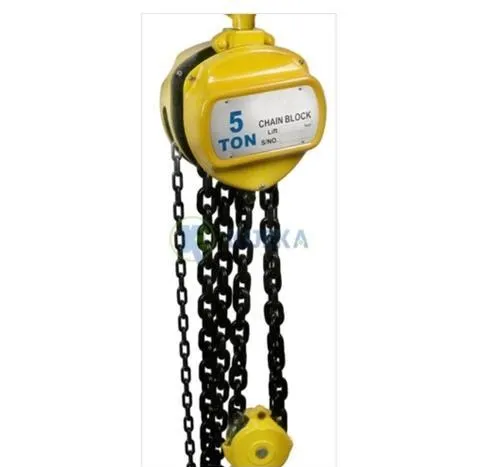
Kijeka Electric chain hoists are employed for lifting or lowering material in commercial construction and industrial environments. An electric motor and controller are utilised for lifting, lowering, and accelerating or decelerating the hoist's speed. Electric hoists are perfect for industrial production lines and small machine workshops where more frequent and faster lifting is needed. Also popular on construction sites are electric as well as manual chain hoists but the Lodestar Electric Chain Hoist is better suited for construction use since the supply voltage is available in 110v.

There are numerous benefits to purchasing an electric chain hoist in ahmedabad. They are economical in maintenance, more inexpensive than wire rope hoists, and they are fairly lightweight given their capabilities. Having a lightweight hoist enables the owner to relocate equipment when needed quickly. Typically, abilities that change a process frequently or install a crane system for a process that will be practiced temporarily, the Electric Chain Hoist is the most competent choice because it can easily be transported from one location to another.

All Best Chain Hoists at Kijeka present actual vertical lift, meaning the load does not alter from the hoist centre line during hoisting or lowering. It's important to note this, as the hoist cannot be used in such versatile applications as a wire rope winch might be, that being said- there are plenty of reasons to choose a chain hoist over a winch.


However, most people assume that an Electric chain hoist is a stock item, and the lowest cost is the best option. This theory is wrong. People will obtain an Electric chain hoist based on cost, not realising that a lot can go haywire with an electric chain hoist if it is utilised in the wrong application, or exposed to an ecosystem that it was not designed for the particular low cost budget model.


THINGS TO CONSIDER BEFORE PURCHASING A HOIST

Weight of load: First, it is imperative to determine the maximum weight that you intend to lift, including lifting, supporting, and positioning rigging such as chains and shackles. This will help assist in factors such as choosing the correct model and for example, if your requirement is to carry more than 10 tonnes of weight or a load at higher frequency, then an electric wire rope hoist is perfect for your business, and for lesser than that, a chain hoist is fitting.

Speed of Lift: Classifying lift speed is necessary to load goods. If you require a specialist inverter driven lifting speed, an electric wire rope hoist is the perfect choice. They can perform further lifts per hour, while fitting your requirements for extremely sensitive control over the load.

The duty cycle required: How frequently will the hoist be running per day? How long does one cycle of the hoist last through its use? Many Electric Chain Hoists are unable to dissipate the heat from the motors easily, so the duty cycle is essential to consider prior to purchase. Too low and you'll cook your motor pretty quickly and be faced with an unwelcoming bill.


The lifting height To store excess slack load chain the Electric Chain Hoist can feature an optional chain container. The higher the height then, the bigger the chain container will be. If it is too big, it may be an impediment of what you are lifting if it is required to go close to the hoist. If it is beyond 'normal' that will be required, then you should also consider the duty cycle and speed of the hoist.

The available voltage choices for the hoist: A higher duty cycle hoist will not run off of single-phase voltage. You will require to purchase a three-phase hoist, so make sure you have sufficient power in the building or site for your hoist.

The warranty covered: Obtaining a hoist out of a catalogue because it is economical is not always your most desirable deal. Warranty needs to be acknowledged because it can assist you down the road immensely. Don't just look for a warranty length, either. Read the finer print- what's included?. There are Electric chain hoist manufacturer in Ahmedabad that will provide you with a lifetime warranty on their machine. But if you understand that fine print, that lifetime warranty only pertains to certain components of the hoist and typically does not involve labour to repair it.

The hoist was designed by keeping simplicity and safety in mind, and the user demands are for a competitively priced, excellent quality electric chain hoist with arbitrary single or dual speed performance and hoisting limit switches as standard. The hoist has the capability to be suspended in various universal ways from the top hook to an electric travel trolley that gives motor-driven lateral traverse technique.

Author

Kijeka Engineers

28-03-24

2228
Get Manual or Electric Floor Cranes in Ahmedabad

Get Manual or Electric Floor Cranes in Ahmedabad

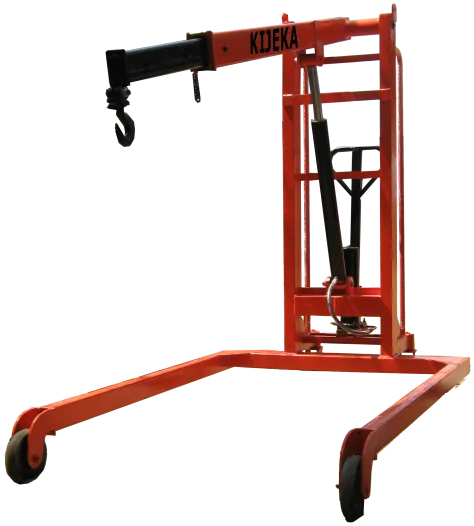
Kijeka Floor Crane is a type of mobile hoist that has two fixed wheels and one rotating wheel. This device is in the form of a week. The column of which is placed on the top of the body and the main rig is connected to the end of the column.

And another rig comes out of the rig in the form of a slide to which the floor crane hook is connected. Application of manual floor crane or electric floor crane in Ahmedabad.  floor cranes are usually used for lifting loads that are not on the pallet and are on the floor, to lift the load.

We have to hang the device on a chain or strap to the hook. Types of manual cranes or electric cranes in Kijeka floor cranes such as stackers and other hydraulic devices are divided into two models, manual and electric. When the load is placed between the bases of the kijeka mobile floor crane india and attached to the hook with a chain or belt.

It should be noted that the closer the rig is from the center of the bases to the end of the floor crane, the less power the machine should have. Let's do less. In conventional floor cranes, the jack of the machine, both in manual and electric mode, guides the rig of the machine almost from the beginning of the main rig upwards and the moving tower back and forth is done by hand.

But in the case of custom cranes, in addition The floor crane kijeka engineers ahmedabad moves up and down, moving back and forth with another mobile jack. If the load is outside the base of the device, when lifting the rig, the device is tilted forward, which to prevent it, we must place the weight in the back of the device with a suitable ratio.

Author

Kijeka Engineers

28-03-24

2212

This website uses cookies to improve your experience. We'll assume you're ok with this, but you can opt-out if you wish.

Chat Bot

Hi!! there ,How can i help you?

Social links
2026 ©All rights Reserved by KijekaWebsite Updated On: 22 June, 2026
Design & Develop by PRUTHATEK
sitemap